
Amid sweeping change in China’s automotive market, FAW-Audi’s value system is being quietly rewritten. Price cuts are merely the most visible symptom of a far deeper transformation.
An Audi A6L for RMB 258,000 (£28,000)?
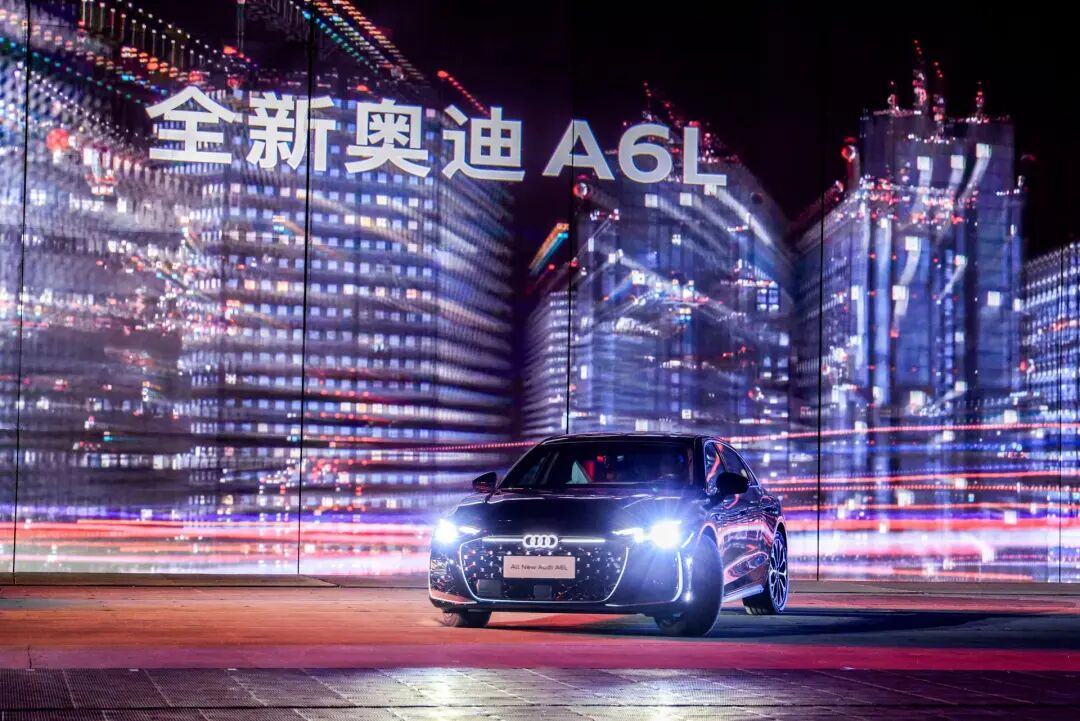
Once the undisputed benchmark of China’s executive saloon segment, the A6L long embodied Audi’s luxury identity and underpinned the brand’s success in the country. That such a flagship model is now seeing its price structure loosen so dramatically can hardly be dismissed as routine promotional activity.
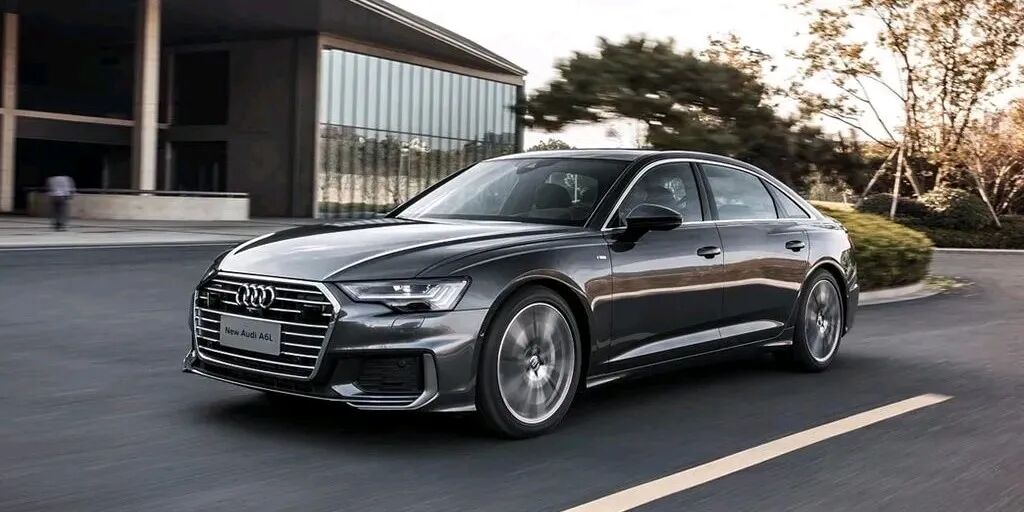
According to multiple market checks by Cailian Press, the widely circulated RMB 258,000 headline price is not unfounded—but it comes with strict conditions. It is available only to large customers opting for financed purchases. For buyers paying in full, the lowest transaction price rises to around RMB 270,000, and even then, supply is limited to a small number of state-owned dealerships holding select 2026 A6L 40 TFSI Luxury Sport units.
For consumers, these near “half-price” discounts may appear to be a windfall. In reality, they represent a reluctant compromise by FAW-Audi under mounting pressure. Beneath the price tag lies not only the fierce competition in the large luxury sedan segment, but also the deeper struggle faced by traditional premium brands as the industry shifts towards electrification and intelligent mobility.
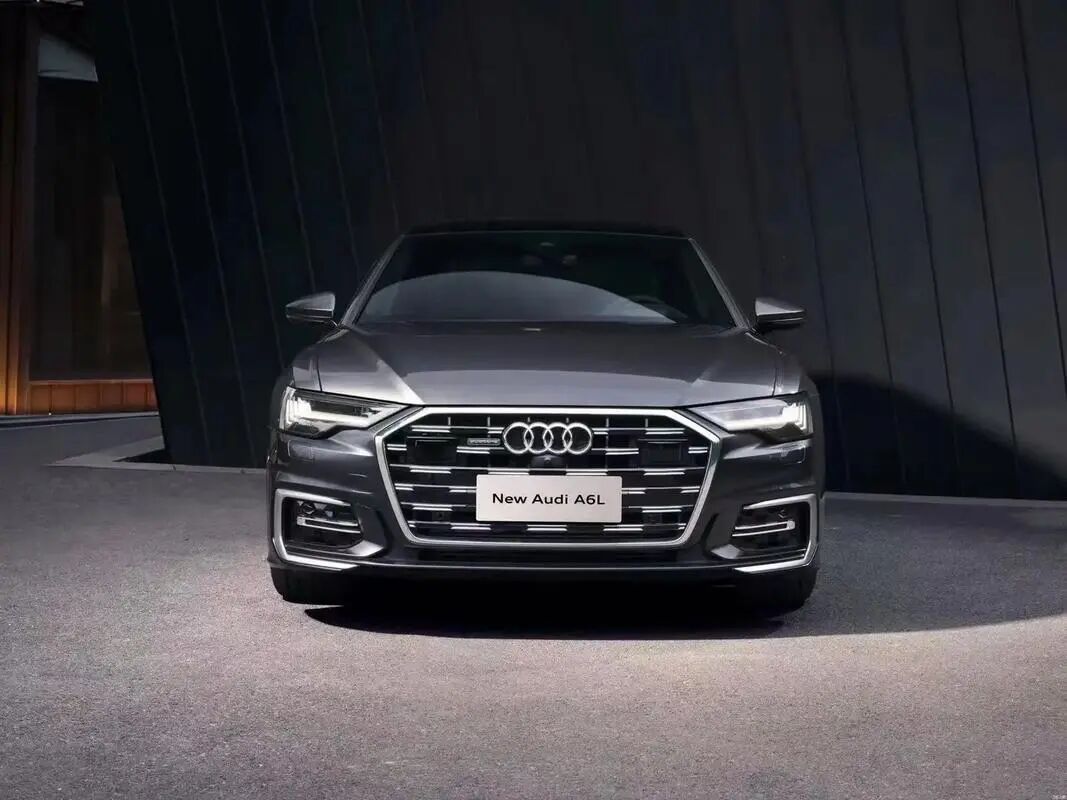
Fighting for Survival Under Sales Pressure
“Trading price for volume” has become FAW-Audi’s default response to market headwinds—and, in the short term, it has worked.
Industry data show that in 2025, FAW-Audi recorded wholesale sales of 566,988 vehicles (including imports), allowing it to reclaim the top spot in China’s luxury internal-combustion vehicle market for the first time in six years.
The A6L offers a clear example. When its transaction price fell towards the RMB 300,000 range, sales began to stabilise and climb, with wholesale volumes approaching 20,000 units in December alone.
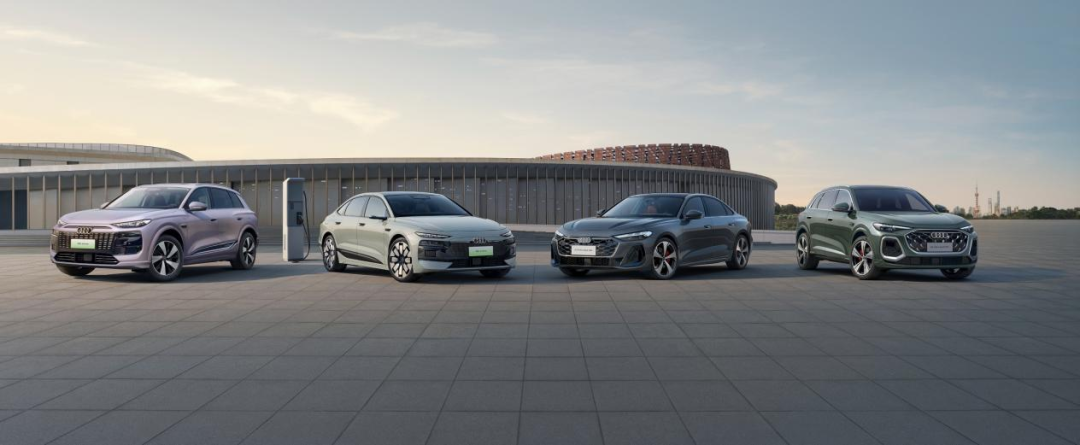
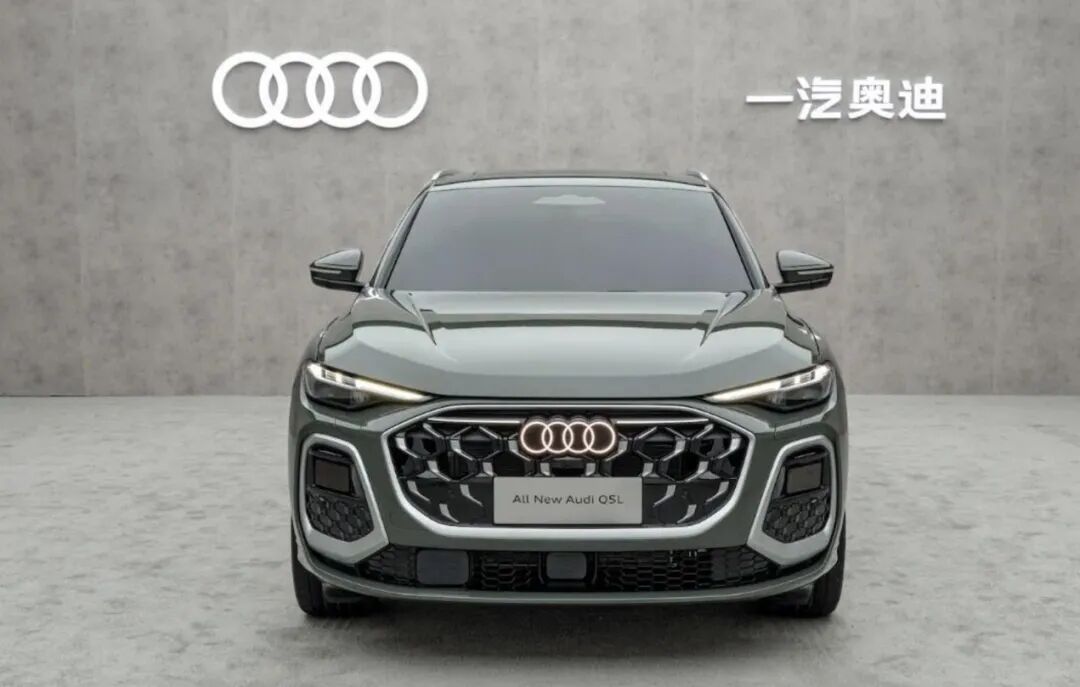
Encouraged by this response, FAW-Audi extended the strategy across its line-up. Earlier this year, the new Audi Q5L was launched with a starting price of RMB 309,800—nearly RMB 40,000 lower than the outgoing model, and noticeably cheaper than rival BMW X3 and Mercedes-Benz GLC models.
There is little doubt that aggressive pricing has lifted short-term performance. Since Guo Yongfeng took over as Executive Vice President in September 2025, Audi’s sales from September to December exceeded 200,000 units—more than 5% higher than the May-August period.
Yet behind these figures lies a quieter cost: the gradual dilution of brand value.
The strain is also being felt by dealers. Several Audi 4S dealership operators in Hangzhou, each with more than a decade in the business, admit that vehicle sales are now barely profitable. “The real money comes from after-sales service and finance and insurance products,” one dealer said. “To offer the RMB 258,000 price, customers must take out a loan and purchase a full insurance package through the dealership. That’s the only way the numbers work.”
The Fading of the Luxury Halo
Price cuts are a double-edged sword. While they can stimulate demand, they also risk eroding decades of carefully cultivated brand equity.
For many Chinese consumers, the four-ring logo once symbolised not only German engineering but also social status. Today, as the entry price of the Audi A6L overlaps with the fully equipped versions of some joint-venture mid-size sedans, that symbolism is subtly shifting.
More concerning are the questions raised about quality and service. On 9 January 2026, China’s national defective product complaint platform recorded a case in which a new A6L reportedly lost all power steering after just 15 kilometres of driving. The owner was told by the dealership that the engine assembly would need to be replaced.
Such serious issues should be rare for a premium brand. When they do occur, they inevitably fuel consumer concerns over whether lower prices are being accompanied by lower standards.
After-sales service has also become a recurring point of friction. Complaints on the Chezhijia platform describe inconsistencies between maintenance packages promised at purchase and the services actually delivered, with customers later asked to pay extra for items originally presented as “fully covered”. Similar complaints surfaced in January this year, as well as in April and July last year, gradually undermining trust.
Even on safety, FAW-Volkswagen recently announced a recall of 24,613 domestically produced Audi Q4 models due to a brake control software issue that could cause unintended vehicle movement. While recalls demonstrate regulatory compliance, repeated technical problems inevitably dent perceptions of reliability.
Marketing strategy has also drawn criticism. On 3 January, shortly after releasing its 2025 sales figures, FAW-Audi declared a “return to the top of the luxury car market after seven years” and claimed leadership in fuel-vehicle sales—despite full-year data from BMW and Mercedes-Benz not yet being released.
More subtly, promotional materials framed the achievement as that of the overall Audi brand in China, including SAIC-Audi, rather than FAW-Audi alone. Online commentators likened the approach to the high-profile marketing tactics of newer EV brands—an awkward fit for a marque traditionally associated with restraint and dignity.
A Traditional Brand in the EV Era
While FAW-Audi battles to defend its position in the petrol-powered market, the industry itself is undergoing a structural shift towards new energy vehicles. This presents a dual challenge: competing with EV brands that excel in electrification and software, while still preserving the profitability and prestige built during the combustion-engine era.
The price adjustments to the A6L and Q5L signal a move towards greater pricing realism. Some analysts note that Audi’s competitive focus is now increasingly directed at Chinese EV brands such as Li Auto and Aito—an indication of how the competitive landscape has changed.
Where Audi once competed primarily with BMW and Mercedes-Benz, the discounted A6L now sits in the same price bracket as intelligent electric vehicles. Consumers are no longer choosing between traditional luxury brands alone, but between conventional premium sedans and smart EVs offering advanced digital experiences.
This shift places new demands on FAW-Audi’s product strategy. Price cuts may deliver short-term relief, but sustained reliance on discounting risks pushing the brand into a downward spiral in which lower prices make it harder, not easier, to sell.
Transformation pressures are also internal. While FAW-Audi has launched several electric models, their market performance still lags behind that of its petrol vehicles. Meanwhile, the dealer network faces the costly task of adapting to electrification—building charging infrastructure, retraining sales staff and redesigning service processes.
More fundamentally, the very definition of “luxury” is changing. In the combustion-engine era, it centred on mechanical precision, performance and heritage. In the electric age, consumers increasingly prioritise intelligent features, energy efficiency and ecosystem services.
As one long-time automotive investor put it: “FAW-Audi’s dilemma reflects the collective challenge facing traditional luxury brands during this transition. The choice is stark—continue defending the petrol market through price cuts, or fully commit to electrification. Both paths carry risks, but a decision can no longer be postponed.”